Introducing The Better Move (TBM) by VibeLab: for more inclusive dance work in nightlife
Initial insights from roundtables and workshops in Amsterdam and Berlin

The Better Move (TBM) is a new European project by VibeLab exploring how dance, movement, and club culture can create healthier, more inclusive, and more sustainable forms of work within nightlife.
Running from November 2025 to October 2026 in Amsterdam and Berlin, TBM brings together dance professionals, clubs, cultural organisations, and nightlife stakeholders to rethink how movement-based practices can be meaningfully integrated into club programming.
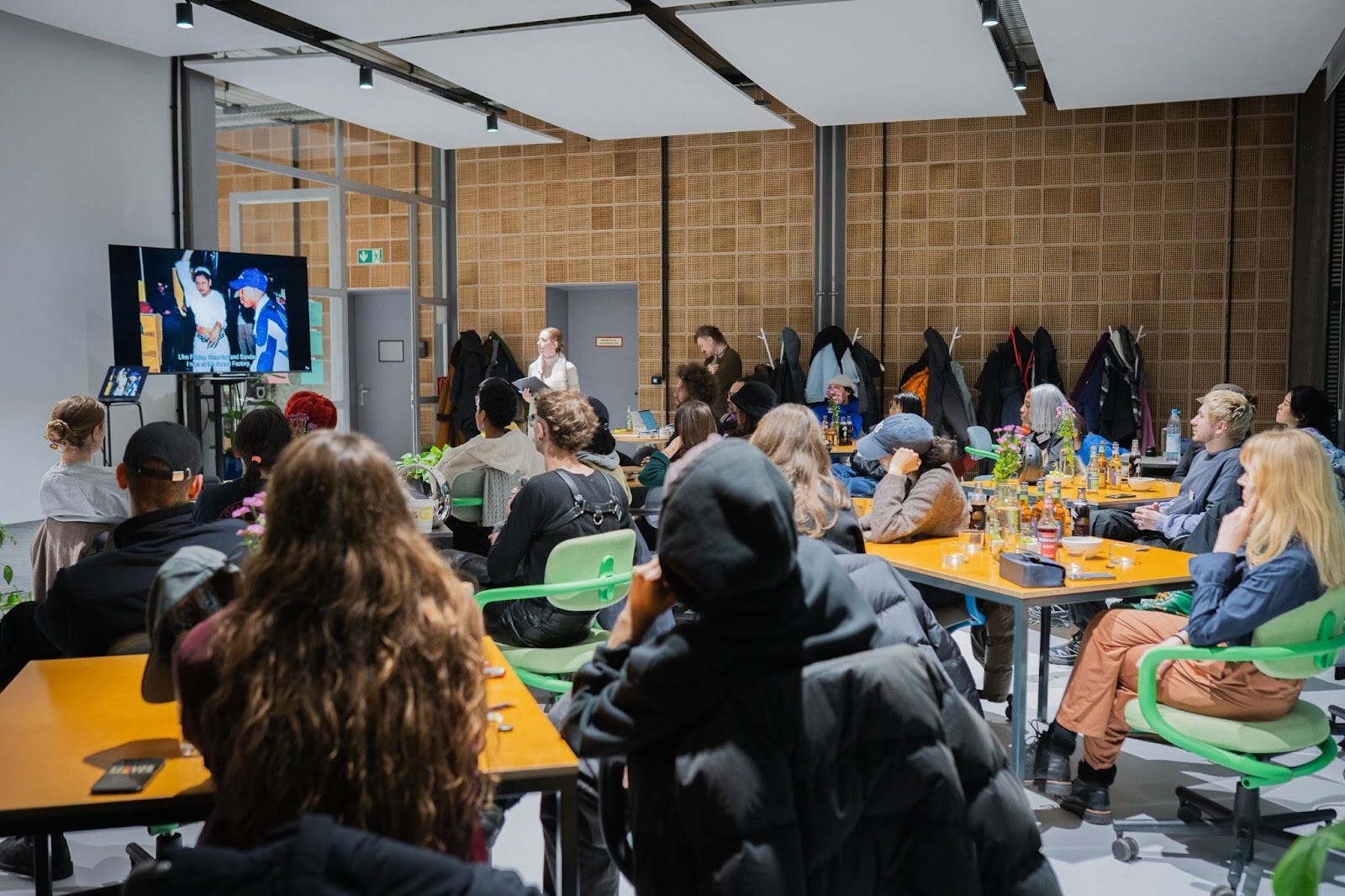
In January 2026, VibeLab marked the start of the project with the first TBM roundtables in Berlin and Amsterdam. These conversations offered an early snapshot of the challenges, hopes, and tensions shaping the relationship between dance and nightlife today.
What is The Better Move?
The Better Move is a collaborative project initiated by VibeLab, in partnership with Stichting Dynamic Arts and to the floor e.V., and co-funded by the European Union.
The project focuses on:
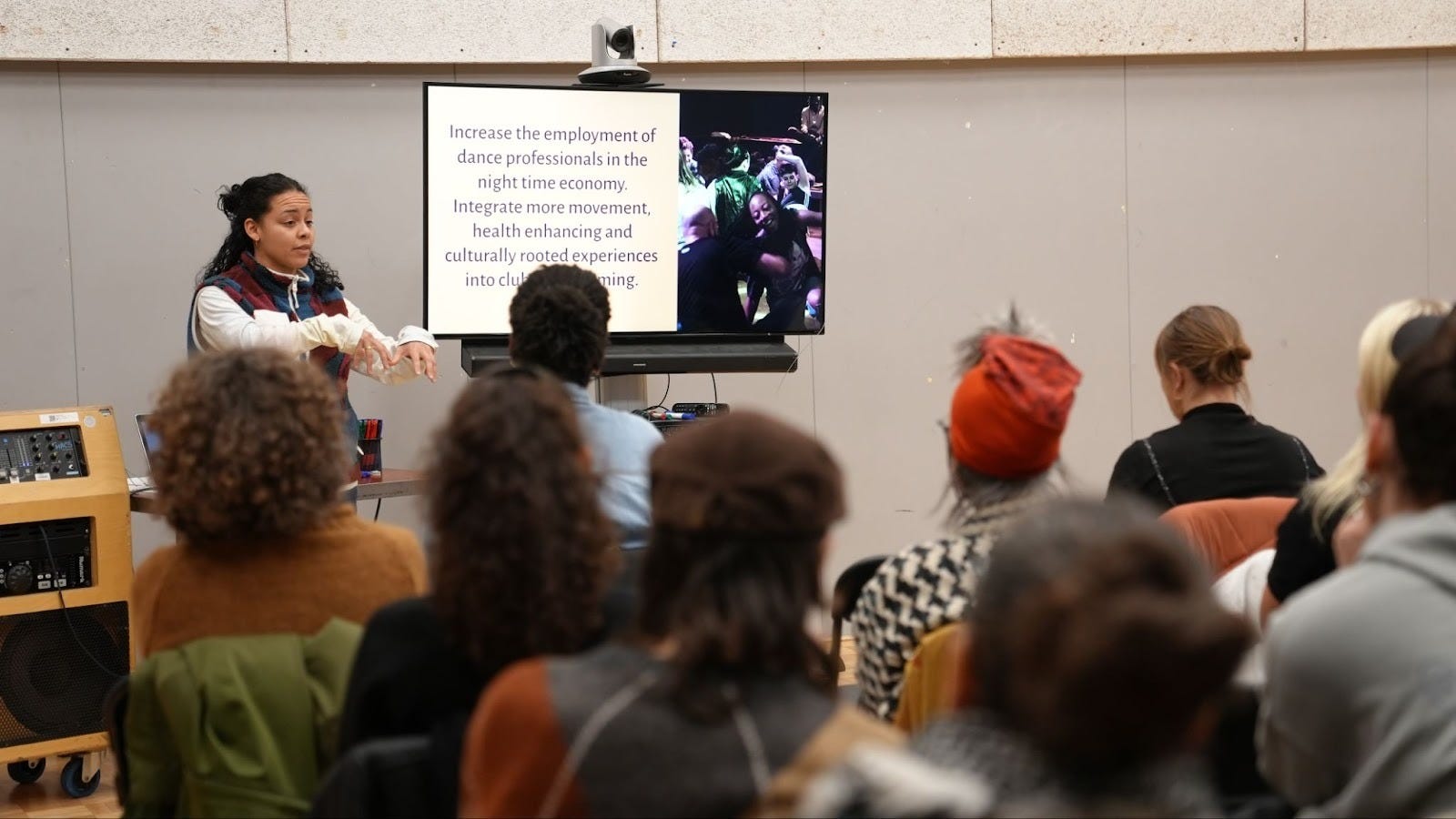
expanding employment opportunities for dance professionals,
supporting movement-based and health-enhancing practices in nightlife spaces,
strengthening connections between dance communities and the club sector,
and centering LGBTQIA+ and PoC communities, as well as culturally rooted club dance styles.
Over the course of one year, TBM unfolds through:
professional roundtables and targeted conversations,
40 dance workshops hosted inside clubs,
and the development of a practical handbook on integrating dance education into nightlife contexts.
Learnings from Berlin and Amsterdam
The first roundtables brought together dancers, educators, community organisers, programmers, and nightlife professionals in both cities. While the conversations differed in tone and structure, several shared themes emerged.
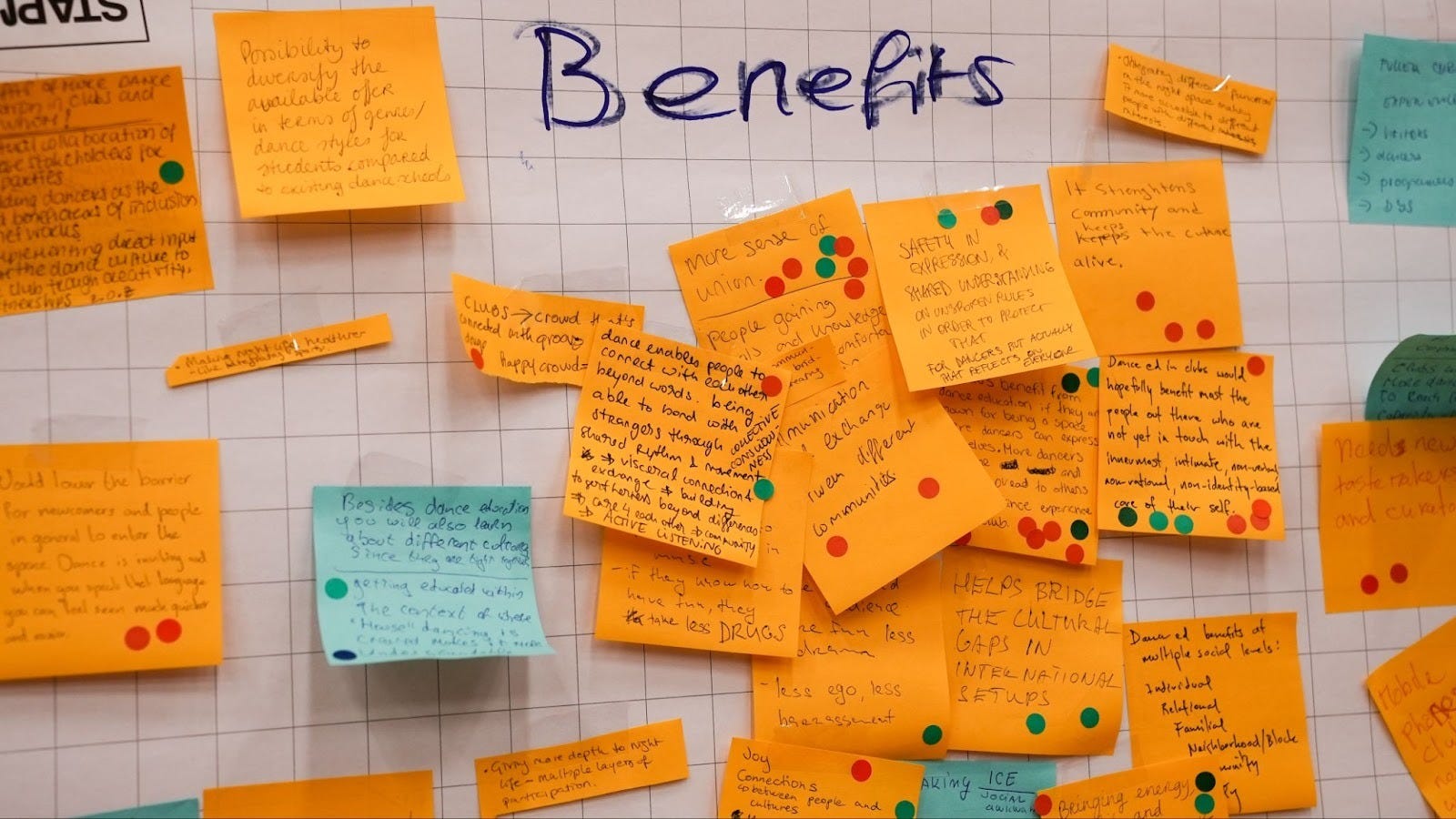
Across both Berlin and Amsterdam, participants expressed a strong belief in the cultural, social, and emotional value of dance in nightlife. Dance was described as a way to foster connection, wellbeing, expression, and belonging; and as a counterbalance to nightlife that revolves purely around consumption.
At the same time, participants identified significant barriers. These included economic pressures on clubs, unclear payment structures for dancers, limited understanding between dancers and programmers, and challenges around safety, space, and responsibility on the dancefloor.
One recurring tension was the perceived divide between cultural value and economic reality. Dancers often feel that their work is undervalued or seen as non-essential, while club operators face rising costs and narrow margins that limit experimentation. In both cities, it became clear that these positions are often shaped by misunderstanding rather than opposition.
Different cities, complementary approaches
The two roundtables also revealed how local contexts shape conversations.
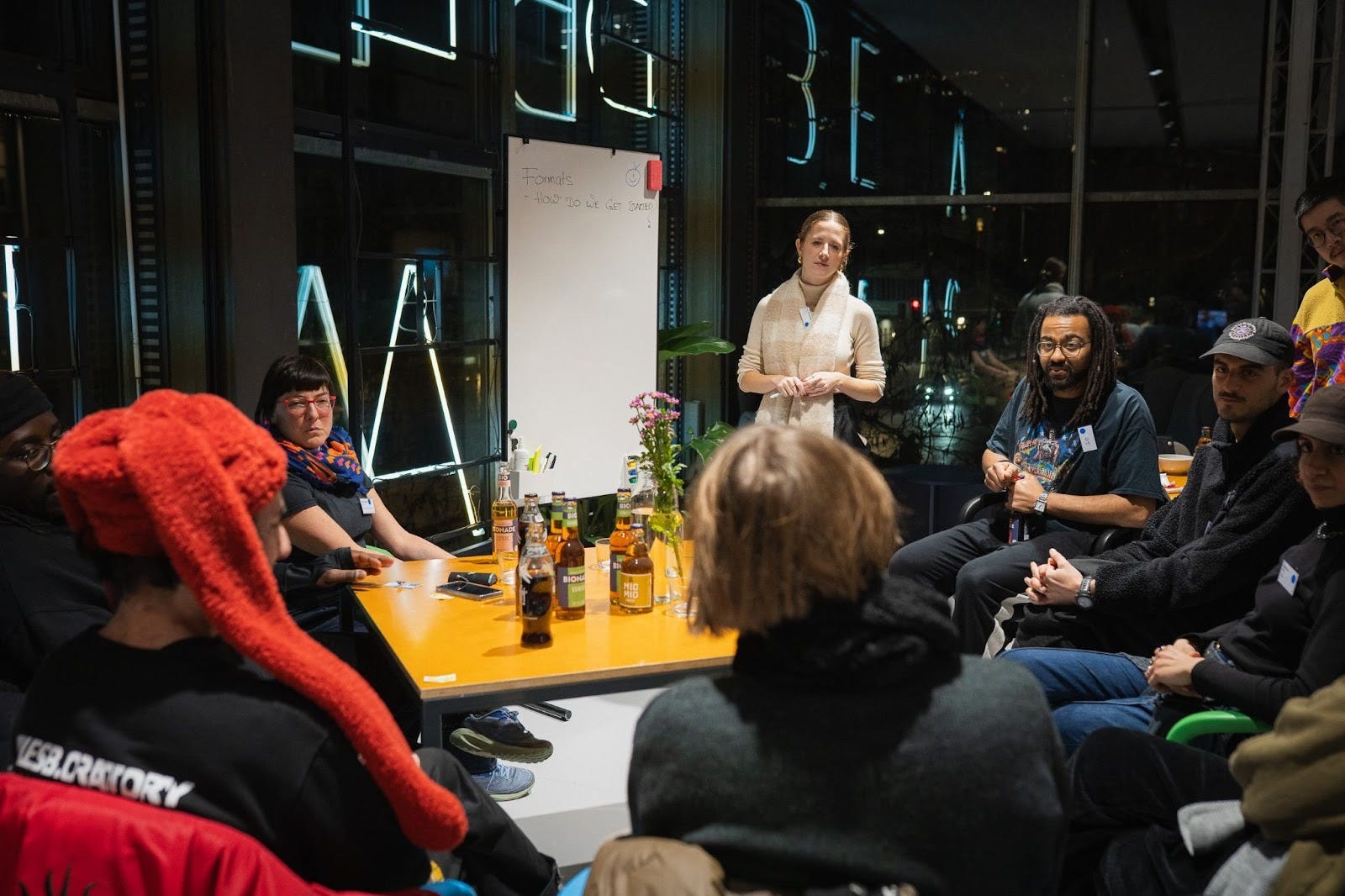
In Berlin, discussions moved quickly into concrete questions around formats, fees, and programming models. Participants explored how dance workshops, performances, or hybrid roles might function within existing club infrastructures.
In Amsterdam, the focus was more reflective. Participants spent time articulating barriers and benefits before jumping directly into shared visions for the future. Rather than designing formats, the conversation centered on conditions: trust, care, dialogue, and the need for stronger relationships between dance communities and nightlife spaces.
Taken together, these approaches underline an important insight: there is no single model for integrating dance into nightlife. Sustainable change will require multiple entry points, rhythms, and ways of working.
Where we’re headed
The Better Move is an ongoing process. Insights from these first roundtables are feeding into further conversations, pilot activities, and the development of the TBM residency and handbook.
Stay tuned for further reflections, learnings, and voices from the field as the project evolves across both cities.